

Almost everyone has heard of pantothenic acid — even if they do not immediately recognise the name. But who has not heard of vitamin B and its role in keeping the body functioning properly? Pantothenic acid, also known as vitamin B5, supports the immune system, contributes to healthy hair pigmentation, and plays a role in heart health. Above all, it is a vitamin that should never be missing from your daily diet.
What Is Pantothenic Acid
Pantothenic acid is vitamin B5 — a water-soluble vitamin belonging to the B-complex family. Its name comes from the Greek word pantos, meaning "everywhere," which reflects its widespread presence in foods. In the body, pantothenic acid is a precursor to coenzyme A (CoA), one of the most important molecules in human metabolism. It also exists in related forms such as panthenol (provitamin B5) and pantethine.
Vitamin B5 is particularly important for physically active individuals and athletes, but it is equally relevant for people dealing with prolonged stress, fatigue, or the natural changes that come with ageing. As a water-soluble vitamin, it is not stored in the body in significant amounts, which means it needs to be replenished regularly through diet or supplementation.
Food Sources of Pantothenic Acid
Pantothenic acid is found in a wide range of commonly available foods, which makes it relatively easy to include in a balanced diet — at least in theory. Among animal sources, chicken and liver are particularly rich in B5, as are oily fish such as mackerel and herring. Whole-grain bread, wheat bran, and brown rice are excellent plant-based sources. Dairy lovers benefit naturally, as cheese and whole milk contain meaningful amounts of this vitamin.
Among fruits, bananas, avocados, oranges, and melons stand out. Potatoes and broccoli are the vegetables worth paying attention to, while mushrooms, soybeans, nuts, and sunflower seeds round out the list of top dietary sources.
So why do deficiencies still occur? The main reason is that vitamin B5 is easily destroyed during cooking and is sensitive to sunlight. Prolonged heat exposure, boiling, and food processing can significantly reduce the pantothenic acid content of meals — which is why supplementation can be a practical alternative for many people.
Pantothenic Acid Properties and Benefits
Energy Metabolism and Fat Processing
Vitamin B5 plays a central role in energy metabolism. As a component of coenzyme A, it is essential for the oxidation and synthesis of fatty acids — processes that directly influence how efficiently your body uses energy. This is particularly relevant for athletes and physically active individuals, as well as for anyone managing their weight. Pantothenic acid also contributes to the synthesis of cholesterol, steroid hormones (including oestradiol, testosterone, progesterone, and cortisol), neurotransmitters such as dopamine and serotonin, and even vitamins A and D.
For those interested in supporting their energy levels and physical performance, our vitamin B collection offers a wide selection of B-complex and individual B vitamin supplements from trusted international brands.
Skin, Hair, and Anti-Ageing Support
From a dermatological perspective, pantothenic acid is valued for its ability to support skin regeneration and contribute to the healing of the skin barrier. It may help improve skin elasticity and firmness, and is traditionally associated with reducing the appearance of fine lines. Vitamin B5 is widely used in skincare formulations — particularly as panthenol — for its moisturising and soothing properties.
One of the most intriguing traditional associations of pantothenic acid is its role in hair pigmentation. Adequate B5 levels are believed to support the natural colour of hair and may contribute to delaying premature greying. It also plays a role in supporting the hair follicle, which is why it frequently appears in products aimed at promoting healthy hair growth. Those looking for comprehensive support may also want to explore our hair, skin and nails supplements.
Immune Function and Recovery
Pantothenic acid contributes to the body's natural immune defences by supporting the production of antibodies that help protect against viral and bacterial challenges. This makes it a valuable nutrient during seasonal changes and periods of increased susceptibility. It also supports the body's natural inflammatory response and may contribute to faster recovery and wound healing. For broader immune support, consider combining B5 with supplements from our immune system collection.
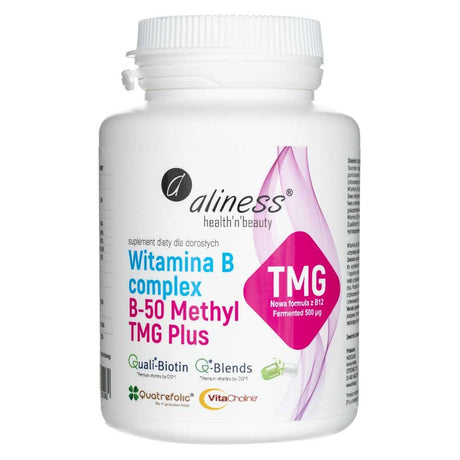


Aliness
Aliness Vitamin B Complex B-50 Methyl plus TMG - 100 Veg Capsules
Regular price €19.59Unit price€0.20 each


Dosage and Side Effects
The recommended daily intake of pantothenic acid varies depending on age, sex, and individual circumstances. General guidelines suggest the following approximate daily amounts:
- Infants — 1.7 to 1.8 mg
- Children (1–10 years) — 2 to 4 mg
- Children over 10 and adults — 4 to 5 mg
- Pregnant women — approximately 6 mg
- Breastfeeding women — approximately 7 mg
The good news is that overdosing on vitamin B5 is virtually impossible under normal circumstances. Because it is water-soluble, any excess is simply excreted through urine. However, a very large single dose may occasionally cause digestive discomfort, most commonly in the form of diarrhoea. Rare allergic reactions to high concentrations have also been reported, though these are uncommon.


Jarrow Formulas
Jarrow Formulas B-Right Optimized B-Complex - 100 Veg Capsules
Regular price €31.39Unit price€0.31 each


Key Takeaway: Pantothenic acid (vitamin B5) is a versatile, essential nutrient that supports energy metabolism, skin and hair health, and immune function. While it is present in many everyday foods, its sensitivity to heat and processing means that dietary intake alone may not always be sufficient. A quality B5 or B-complex supplement offers a simple, effective way to ensure your body gets the support it needs — every day.
This article is for information only and does not replace medical advice. If you have health concerns, are pregnant, breastfeeding or taking medication, consult a doctor or pharmacist. Dietary supplements are not a substitute for a varied diet.


