

Niacin — also known as vitamin B3, vitamin PP, or nicotinic acid — is one of the more multifunctional B vitamins, with documented effects spanning energy metabolism, cardiovascular health, skin condition, nervous system function, and hormonal synthesis. Although the body can produce small amounts of niacin from the amino acid tryptophan, this conversion is inefficient and insufficient to meet requirements under normal conditions, making dietary intake or supplementation necessary. Its deficiency leads to pellagra — a serious disease now rare in developed countries but instructive about just how central this vitamin is to basic physiological function.
What Is Niacin and What Forms Does It Come In?
Niacin is a water-soluble vitamin available in two biologically active forms, which behave differently in the body and have distinct practical applications:
- Nicotinic acid — the form found predominantly in animal-derived foods and in many supplements. It is the form that dilates blood vessels, lowers LDL cholesterol and triglycerides, and raises HDL cholesterol. It is also the form responsible for the well-known "niacin flush" — a temporary reddening and warming of the skin that occurs at doses above approximately 50 mg and is caused by prostaglandin-mediated vasodilation. While harmless, the flush can be uncomfortable enough to discourage use
- Nicotinamide (niacinamide) — the amide form of niacin, found more commonly in plant foods. It does not cause flushing and is the preferred form for skin health applications, both topically and orally. It does not share nicotinic acid's lipid-modifying effects, making it a different tool for different purposes
Both forms are converted in the body into NAD (nicotinamide adenine dinucleotide) and NADP — coenzymes that are essential for hundreds of metabolic reactions, particularly those involved in energy production. Our full vitamin B collection includes standalone niacin in both forms as well as comprehensive B-complex supplements.
Key Functions of Niacin in the Body
Energy Metabolism
NAD and NADP — the active coenzyme forms of niacin — are central to cellular respiration. They act as electron carriers in the metabolic processes that convert carbohydrates, fats, and amino acids into ATP, the cell's primary energy currency. Every cell in the body depends on this process, which is why niacin deficiency produces such wide-ranging effects: the first and most consistent symptom is profound fatigue, because energy production at the cellular level is impaired.
Cardiovascular Health
Nicotinic acid (not nicotinamide) has a well-established effect on blood lipid profiles at therapeutic doses. It raises HDL cholesterol, reduces LDL cholesterol, and lowers triglycerides — a combination that few other single compounds achieve simultaneously. It also inhibits the liver's production of VLDL (very low-density lipoprotein), which is the precursor to LDL. Niacin additionally dilates blood vessels, improving peripheral circulation. These effects have made high-dose nicotinic acid a subject of pharmaceutical-level research, though clinical trials at very high doses (1–3 g/day) show that lipid improvement does not always translate to reduced cardiovascular events — underscoring that lipid numbers are a proxy, not the end goal. For cardiovascular supplement support, explore our cardiovascular collection.
Skin Health
Niacin — particularly in its nicotinamide form — has substantial effects on skin health. It penetrates deeper skin layers and supports multiple aspects of skin physiology: it helps maintain the skin barrier by reducing transepidermal water loss, stimulates collagen production, regulates keratinocyte turnover, and acts as an antioxidant protecting against UV-induced damage. It reduces hyperpigmentation, may help with acne and redness, and is widely incorporated into cosmetic formulations for its anti-ageing and brightening properties. Oral supplementation contributes to these effects systemically, while topical application targets them locally. Our hair, skin and nails collection includes products supporting skin health from within.
Nervous System and Mental Health
Niacin participates in the synthesis of several neurotransmitters and hormones, and its role in the nervous system extends beyond basic energy supply. Research has associated niacin deficiency with cognitive impairment, anxiety, and depression — and some clinical observations suggest that supplementation may support mood regulation and reduce symptoms in certain neurological conditions. The hormone synthesis angle is also notable: niacin is involved in the production of cortisol, insulin, and thyroxine. These connections make B3 deficiency a meaningful consideration in people presenting with unexplained mood changes, fatigue, and cognitive difficulties. For broader brain and cognitive health support, see our brain and cognitive supplements.
Dietary Sources of Niacin
Niacin is found in a wide range of everyday foods, making outright deficiency uncommon in people with varied diets:
- Animal sources (highest concentrations): chicken and turkey breast, beef and pork, liver and organ meats, tuna, salmon, and other oily fish
- Plant sources: potatoes, whole grain cereals and bread, peanuts and peanut butter, mushrooms, avocados, and legumes
- Fortified foods: many breakfast cereals and grain products are fortified with niacin in many European markets
It is worth noting that niacin in plant foods is predominantly in the nicotinamide form and is also partially bound in a form (niacytin) that reduces bioavailability in some grains. Animal-source nicotinic acid is generally better absorbed. Additionally, the body converts the essential amino acid tryptophan to niacin — roughly 60 mg of tryptophan yields approximately 1 mg of usable niacin — which is why adequate protein intake also supports niacin status.
Recommended Daily Amounts
Niacin requirements vary with age, sex, and physiological state. EU reference values for adults are approximately 16 mg NE (niacin equivalents) per day for men and 14 mg NE per day for women. Pregnancy increases requirements to around 18 mg NE. Children's requirements range from 6 mg at younger ages up to 16 mg for older adolescent boys. These figures represent the amounts needed to prevent deficiency under normal conditions — supplemental doses used for specific effects (particularly lipid management) are substantially higher and require medical guidance.
Niacin Deficiency: From Early Signs to Pellagra
Early-stage niacin deficiency is non-specific: fatigue, reduced appetite, digestive discomfort, and mild cognitive changes are typical. Severe, prolonged deficiency leads to pellagra — characterised by the "3 Ds": dermatitis (sun-sensitive skin rashes on exposed areas, with characteristic roughness, redness, and dark patches on the neck, hands, and face), diarrhoea, and dementia. A fourth D — death — follows if untreated. Pellagra is now extremely rare in Europe except in populations with very limited diets or significantly increased requirements, such as people with alcohol dependency, which both impairs niacin absorption and accelerates its depletion.
Supplemental Forms: Which to Choose?
The choice of niacin form depends on the intended purpose:
- Nicotinic acid — appropriate when seeking the lipid-modifying or vasodilatory effects. The flush, which typically begins 15–30 minutes after taking a dose and resolves within an hour, can be reduced by taking niacin with food and starting at a low dose. Aspirin taken 30 minutes before a nicotinic acid dose also reduces flushing for many people
- Nicotinamide / niacinamide — preferred when the goal is skin health, general B3 nutritional support, or avoidance of flushing. It does not affect cholesterol levels
- Inositol hexanicotinate ("flush-free" niacin) — marketed as a no-flush alternative to nicotinic acid. The evidence for its lipid-modifying efficacy is weaker, as it may not release free nicotinic acid in amounts sufficient to produce the same effects




Aliness
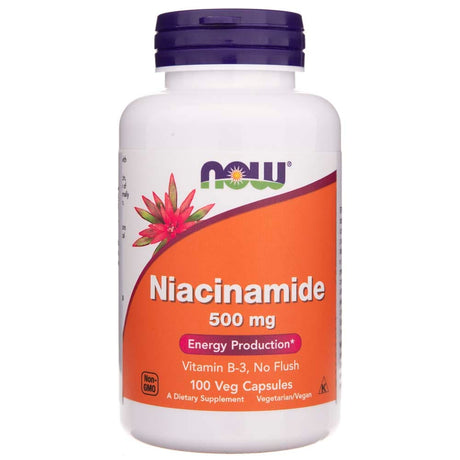
Aliness Niacin, nicotinic acid amide 500 mg - 100 Veg Capsules
Regular price €9.99Unit price€0.10 each


 25% off
Vitaler's
Vitaler's Vitamin B3 500 mg (Niacinamide) - 60 Capsules
Sale price €4.93 Regular price €6.59Unit price€0.08 each

Life Extension
Life Extension Vitamin B3 Niacin 500 mg - 100 Capsules
Regular price €11.59Unit price€0.12 each


Side Effects and Safety
At standard dietary and low supplemental doses, niacin is very well tolerated. At higher doses used for lipid management, side effects become more clinically relevant:
- Flushing — the most common effect with nicotinic acid; harmless but uncomfortable at first use
- Gastrointestinal effects — nausea, stomach discomfort, and diarrhoea, particularly at higher doses
- Liver stress — sustained high-dose nicotinic acid (especially in slow-release forms) has been associated with hepatotoxicity; periodic liver function monitoring is appropriate for anyone using pharmacological doses long-term
- Blood glucose — high-dose niacin can raise fasting blood glucose levels, which is relevant for people with diabetes or insulin resistance
- Blood pressure — niacin's vasodilatory effects can interact with antihypertensive medications, potentially causing low blood pressure
This article is for information only and does not replace medical advice. If you have health concerns, are pregnant, breastfeeding or taking medication, consult a doctor or pharmacist. Dietary supplements are not a substitute for a varied diet.


