

Marseille soap has been known and produced for over a thousand years on the coast of southern France. There are opinions circulating that it is partly thanks to it that French women can boast of wonderfully healthy skin. Marseille soap achieved its greatest modern prominence in the 17th century, when King Louis XIV issued an edict in 1688 restricting the name Savon de Marseille to soaps produced in the Marseille region using specific vegetable oils — establishing the quality standards that still define the product today. The formula that emerged from that period has changed remarkably little in the centuries since.
What Makes a Soap Genuine Marseille Soap?
Marseille soap is completely natural, and to carry the name authentically, it must meet precise composition criteria. The defining characteristic is a minimum of 72% vegetable oils — traditionally olive oil, but also palm oil, almond oil, argan oil, and rapeseed oil depending on the variety. The remaining composition is straightforward: approximately 0.4% salt (sodium chloride), 0.5% glycerine, and water. That is essentially the entire ingredient list.
This simplicity is precisely its appeal. Genuine Marseille soap contains no animal fats, is not tested on animals, and is free from parabens, glycols, synthetic antioxidants, PEG compounds, and petrolatum. It is 100% biodegradable, pH-neutral relative to skin, and exceptionally mild — making it suitable for the full range of skin types, including those that react to conventional soaps. It is sold most commonly in the classic 300g bar format, which offers long-lasting use, though liquid variants are also available. Explore our natural soaps collection for Marseille and other traditional soap options.
Properties and Benefits for Skin
Marseille soap's effectiveness comes from its oil base rather than from added active ingredients. Olive oil — the foundation of the original formula — is rich in oleic acid and squalene, which are naturally compatible with the skin's own lipid barrier. These compounds help maintain the protective film on the skin surface, contributing to moisture retention and resilience without the greasy residue associated with some oil-based products.
The soap is gentle enough to use from the first days of a baby's life. It does not strip the skin's natural oils or disrupt its acid mantle, which makes it suitable for dry, sensitive, and allergy-prone skin — including those with conditions such as eczema or psoriasis, where harsh surfactants can trigger flares. Its antibacterial and regenerative properties also make it appropriate for cleansing minor wounds, cuts, and abrasions, and it is sometimes recommended by dermatologists for intimate hygiene because of its mildness and absence of irritating additives.
For those dealing with acne, Marseille soap offers a gentler cleansing option than many conventional acne face washes, which can over-strip the skin and paradoxically increase sebum production. It cleanses thoroughly without disrupting the skin barrier, which is particularly important for maintaining long-term skin balance. Our facial cleansing collection includes gentle, natural options that complement this approach.
Hair and Scalp Uses
Marseille soap can also be used for hair washing, where its mild, sulphate-free formula makes it a gentle alternative to conventional shampoos. Regular use is associated with strengthened hair from the roots and reduced scalp irritation. Its antibacterial properties make it effective against dandruff caused by fungal or bacterial scalp imbalance. Olive oil-based variants in particular help nourish dry and split ends, and argan oil formulations support scalp health while adding softness to dry, heat-damaged hair.
The transition period when switching from conventional shampoo to soap-based washing can take a few weeks as the scalp adjusts — this is a normal part of the process and not a sign the soap is unsuitable. Our hair, skin and nails collection includes a range of natural hair care options.
Household and Laundry Uses
The versatility of Marseille soap extends well beyond personal care. Its combination of effective cleansing power, complete biodegradability, and non-allergenic formula makes it an excellent household cleaner. It is particularly effective at treating stubborn stains on fabric before washing — rubbing the bar directly onto the stain, leaving it briefly, then laundering as normal. It is gentle enough for hand-washing delicate items and can be used in automatic washing machines in grated or liquid form. Its antibacterial properties make it useful for surface cleaning in kitchens and bathrooms, and because it contains no harsh chemicals, it poses no risk to household water systems or the environment.
The Different Varieties and Their Skin Profiles
Modern Marseille soaps are available in several formulations, with different oil bases and added botanicals suited to different skin and hair types. Their characteristic colours reflect the essential oils or plant ingredients incorporated:
- Lavender — suited to combination and oily skin, including skin prone to blackheads, eczema, and fungal lesions. Adds volume to fine hair and helps control oiliness and dandruff
- Olive — the classic formulation, recommended for allergy-prone, seborrhoeic, and rosacea-affected skin; also used in psoriasis management. Nourishes dry and damaged hair ends
- Palm oil base — works well on dehydrated, vascular, and mature skin; suitable for cleansing wounds and sores; effective on wrinkle-prone and damaged skin
- Argan oil — firming effect on face and body; addresses blemishes and uneven skin tone; suited to sensitive scalp and dry, chemically or heat-treated hair
- With added botanicals — many contemporary varieties incorporate aloe vera juice, shea butter, or rosehip oil for enhanced moisturising or regenerating effect

Beaute Marrakech
Beaute Marrakech Natural Black Olive Soap Savon Noir - 200 g
Regular price €5.89Unit price€2.95 /100g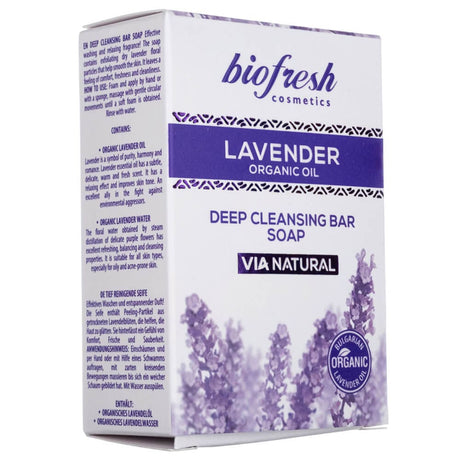


Browse our full bath and shower collection for Marseille soaps and other natural cleansing products.
This article is for information only and does not replace medical advice. If you have health concerns, are pregnant, breastfeeding or taking medication, consult a doctor or pharmacist. Dietary supplements are not a substitute for a varied diet.


