

Vitamin B12, also known as cobalamin, is a crucial nutrient that plays a significant role in various bodily functions. It is essential for the normal development of the brain and nervous system, and it continues to be indispensable throughout life — for red blood cell production, DNA synthesis, neurological function, and energy metabolism. Despite its importance, B12 deficiency is one of the most common nutritional shortfalls worldwide, and it is frequently undetected for years because symptoms develop slowly and are easy to attribute to other causes.
What Does Vitamin B12 Actually Do?
B12 is a water-soluble vitamin — one of eight in the B group — but it behaves somewhat differently from most others. The body can store several years' worth in the liver, which is why deficiency takes time to manifest even when intake stops. Its roles span three core areas:
- Red blood cell formation — B12 is required for the normal maturation of red blood cells. Without it, the body produces large, structurally abnormal cells (a condition called megaloblastic anaemia) that cannot carry oxygen efficiently
- Neurological function — B12 is essential for the synthesis and maintenance of myelin, the protective sheath around nerve fibres. Demyelination leads to nerve damage that can be partially or fully irreversible if deficiency is prolonged
- DNA synthesis and cell division — B12 works alongside folate (vitamin B9) in one-carbon metabolism, the biochemical cycle that produces the building blocks for new DNA
B12 also plays a role in regulating homocysteine — an amino acid that, at elevated levels, is associated with increased cardiovascular risk. Adequate B12, together with B6 and folate, helps keep homocysteine in a healthy range. Browse our full vitamin B collection for a comprehensive range of B12 and B-complex options.
Early Signs of Vitamin B12 Deficiency
Because B12 is stored in the liver, early deficiency is often subtle. The symptoms below tend to appear gradually and are frequently dismissed or misattributed — which is precisely why B12 deficiency is so often missed in clinical practice.
Fatigue and Weakness
Persistent tiredness that does not improve with rest is often the first noticeable symptom. When the body cannot produce enough functional red blood cells, oxygen delivery to tissues is impaired — and fatigue is the direct result. This type of fatigue feels different from ordinary tiredness: it tends to be constant, disproportionate to activity levels, and unresponsive to sleep.
Neurological Symptoms
Tingling or numbness in the hands and feet — often described as "pins and needles" — is one of the more specific early signs of B12 deficiency. It reflects early peripheral nerve demyelination. As deficiency progresses, symptoms can include difficulty with balance and coordination, muscle weakness, and in severe or prolonged cases, cognitive changes including memory problems and mental fogginess. Neurological damage from B12 deficiency can become irreversible if left untreated, making early identification particularly important.
Cognitive and Mood Changes
B12 is involved in the synthesis of neurotransmitters including serotonin and dopamine. Low B12 levels have been associated with increased risk of depression, irritability, and difficulty concentrating. Memory problems and cognitive slowing can appear well before the more obvious neurological symptoms — and in older adults, these symptoms are often wrongly attributed to normal ageing. Support for brain health from our brain and cognitive supplements range may be relevant for individuals concerned about cognitive function alongside B12 status.
Pale or Slightly Yellow Skin, Sore Tongue
Megaloblastic anaemia can give the skin a pale or faintly yellowish tinge — the result of both reduced red blood cell count and the mild breakdown of abnormal cells. A swollen, inflamed, or painful tongue (glossitis) is another recognised early sign, along with mouth ulcers. These are less commonly noticed by individuals themselves but are significant clinical markers.
Breathlessness and Heart Palpitations
As anaemia develops, the heart works harder to compensate for reduced oxygen delivery. This can manifest as breathlessness on mild exertion and occasional palpitations. These symptoms are non-specific and have many possible causes, but in combination with other B12-related signs, they warrant investigation.
Who Is at Risk of B12 Deficiency?
B12 is found almost exclusively in animal-derived foods — meat, fish, dairy, and eggs. Its absorption also requires a specialised protein called intrinsic factor, produced by cells in the stomach lining. Both of these factors create clear risk groups:
- Vegetarians and vegans — the absence of animal products means dietary B12 is negligible or zero; supplementation is not optional for long-term plant-based eaters
- Older adults — gastric acid production declines with age, which reduces the release of B12 from food proteins; adults over 50 absorb significantly less B12 from diet than younger people
- People with gastrointestinal conditions — Crohn's disease, coeliac disease, and atrophic gastritis impair absorption; so does a history of gastric bypass surgery, which removes the part of the stomach that produces intrinsic factor
- Long-term users of certain medications — proton pump inhibitors (PPIs) for acid reflux and metformin for type 2 diabetes both reduce B12 absorption with sustained use
- People with pernicious anaemia — an autoimmune condition in which the immune system attacks stomach cells that produce intrinsic factor, making oral B12 absorption impossible without very high doses or injectable forms
B12 and Folate: An Important Relationship
Vitamin B12 and folate (B9) work together in the same biochemical pathway, and their deficiencies produce overlapping symptoms — particularly anaemia. This creates a clinically significant risk: supplementing with folic acid when B12 deficiency is also present can correct the blood abnormalities while allowing neurological damage to progress silently, since folate supplementation does not address the nerve-related consequences of low B12. For this reason, whenever anaemia or suspected deficiency is being investigated, both B12 and folate levels should be measured together. Our energy support supplements include combination B12 and folate formulas for those addressing both.
Forms of Vitamin B12: Which to Choose?
B12 supplements are available in several chemical forms, each with different characteristics:
- Methylcobalamin — the active, coenzyme form found naturally in the body. It does not require conversion and is the preferred form for neurological applications; it is also the most commonly found in higher-quality supplements
- Adenosylcobalamin — the second active coenzyme form, important in mitochondrial metabolism; sometimes combined with methylcobalamin in comprehensive formulas
- Cyanocobalamin — the most common synthetic form, stable and cost-effective; requires conversion to active forms in the body, which is efficient in most people but may be less so in those with specific metabolic variants
- Hydroxocobalamin — a natural form with a longer half-life in the body; commonly used in injectable preparations
For most people, methylcobalamin is a sensible first choice for supplementation. Sublingual tablets and sprays — which are absorbed directly through the mucous membranes — are an option for those with absorption concerns, as this route bypasses the need for intrinsic factor.
How to Prevent B12 Deficiency
For most omnivores with healthy digestion, a varied diet that regularly includes meat, fish, dairy, or eggs provides adequate B12. For the risk groups described above, consistent supplementation is the practical solution. Key points:
- Vegans and vegetarians should supplement with B12 consistently and indefinitely — not occasionally
- Adults over 50 should consider a supplement regardless of diet, due to age-related absorption decline
- Anyone on long-term PPIs or metformin should have B12 levels checked periodically and supplement if needed
- Regular blood tests — every one to two years for at-risk groups — are the most reliable way to catch declining levels before symptoms develop


Aliness
Aliness Vitamin B12 Methylcobalamin 950 mcg - 100 Veg Capsules
Regular price €11.09Unit price€0.11 each

Doctor's Best
Doctor's Best Fully Active Vitamin B12 1500 mcg - 60 Veg Capsules
Regular price €8.19Unit price€0.14 each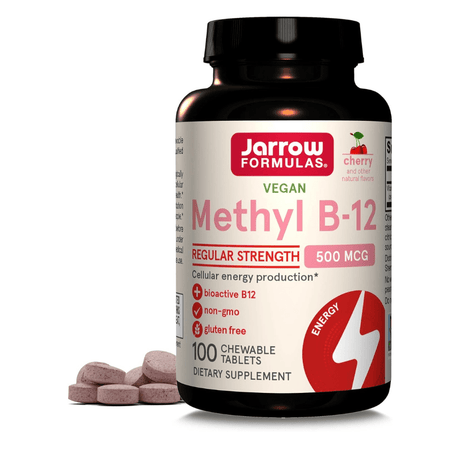


Jarrow Formulas
Jarrow Formulas Methyl B12 (Methylcobalamin) 500 mcg Cherry - 100 Chaweble Tablets
Regular price €11.39Unit price€0.11 each


Osavi
Osavi Vitamin B12 (Methylcobalamin) Spray 100 mcg - 25 ml
Regular price €8.19Unit price€3.28 /10ml

Life Extension
Life Extension BioActive Folate & Vitamin B12 - 90 Veg Capsules
Regular price €10.39Unit price€0.12 each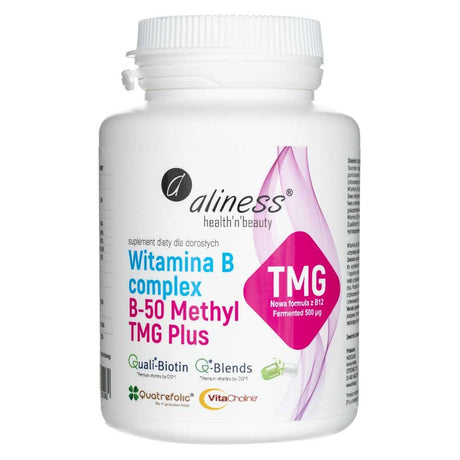


Aliness
Aliness Vitamin B Complex B-50 Methyl plus TMG - 100 Veg Capsules
Regular price €19.59Unit price€0.20 each


Browse our full vitamin B collection for standalone B12 options in multiple forms and dosages, as well as comprehensive B-complex formulas that support the full range of B vitamin functions.
This article is for information only and does not replace medical advice. If you have health concerns, are pregnant, breastfeeding or taking medication, consult a doctor or pharmacist. Dietary supplements are not a substitute for a varied diet.


