

Vitamin C, also known as ascorbic acid, is famous above all as a key ingredient in cold remedies and immune-boosting supplements. It is typically the first vitamin people reach for when autumn arrives and the risk of catching an infection increases. However, reducing vitamin C to its role in immunity alone would be a significant oversimplification. Ascorbic acid is involved in dozens of biochemical processes — from collagen synthesis and iron absorption to antioxidant defence and neurotransmitter production. Understanding what ascorbic acid truly is, how it works, and how to supplement it properly can make a real difference to your everyday health.
What Is Ascorbic Acid?
Ascorbic acid is the chemical name for vitamin C — a water-soluble organic compound with the molecular formula C₆H₈O₆. Unlike most mammals, humans cannot synthesise vitamin C internally due to a genetic mutation that deactivated the enzyme (L-gulonolactone oxidase) required for its production. This means that every milligram of vitamin C the body needs must come from external sources — either food or supplementation.
Because ascorbic acid is water-soluble, the body does not store it in significant amounts. Excess vitamin C is excreted through the kidneys relatively quickly, which is why regular, consistent intake is far more important than occasional high doses. This characteristic also means that toxicity from vitamin C is extremely rare, though excessively high doses can still cause unwanted effects.
Key Properties and Functions of Ascorbic Acid
Vitamin C is one of the most versatile nutrients in human biochemistry. Its involvement in the body's processes is remarkably broad, extending far beyond the immune system.
Immune System Support
The most widely recognised role of ascorbic acid is its contribution to the normal function of the immune system. Vitamin C supports both innate and adaptive immunity. It stimulates the production and function of white blood cells (leukocytes), enhances the ability of phagocytes to neutralise pathogens, and accumulates in immune cells where it is consumed rapidly during infections. This is why vitamin C requirements may increase during periods of illness or high physical stress.
Powerful Antioxidant Activity
As one of the body's primary water-soluble antioxidants, ascorbic acid neutralises free radicals — highly reactive molecules that damage cellular structures and contribute to premature ageing, inflammation, and chronic disease. Vitamin C also regenerates other antioxidants in the body, notably vitamin E, essentially "recycling" them back to their active form. This cooperative antioxidant network makes vitamin C a cornerstone of the body's defence against oxidative stress.
Collagen Synthesis
Ascorbic acid is absolutely essential for the synthesis of collagen — the most abundant structural protein in the human body. Collagen is a key component of skin, tendons, ligaments, cartilage, blood vessels, and bone. Without adequate vitamin C, collagen production is impaired, leading to weakened connective tissues, slow wound healing, and — in severe cases — the bleeding gums and joint pain characteristic of scurvy.
Iron Absorption
Vitamin C significantly enhances the absorption of non-haeme iron — the form of iron found in plant-based foods and supplements. It converts iron into a more bioavailable ferrous form in the gut, which can increase absorption by two to three times. This makes vitamin C particularly important for vegetarians, vegans, and anyone at risk of iron deficiency.
Additional Functions
Beyond these core roles, ascorbic acid is involved in the synthesis of neurotransmitters (including serotonin, noradrenaline, and dopamine), supports normal energy-yielding metabolism, contributes to the reduction of tiredness and fatigue, and helps protect cells from oxidative stress. It also plays a role in maintaining the normal function of blood vessels and contributes to healthy skin appearance by supporting the formation of collagen for normal skin function.
Forms of Vitamin C in Supplements
Not all vitamin C supplements are identical. The form of ascorbic acid used in a product can influence its absorption, tolerability, and suitability for different individuals.
- Pure ascorbic acid — the most common and most researched form, well absorbed and cost-effective. However, it is acidic and may cause digestive discomfort in sensitive individuals, especially at higher doses.
- Buffered vitamin C (calcium or sodium ascorbate) — ascorbic acid combined with a mineral to reduce acidity. Gentler on the stomach, making it a better option for people with sensitive digestion or those taking higher doses.
- Ester-C® — a patented, non-acidic form of vitamin C that includes calcium ascorbate and vitamin C metabolites. Some studies suggest improved retention in white blood cells compared to standard ascorbic acid.
- Ascorbyl palmitate — a fat-soluble form of vitamin C that can integrate into cell membranes, offering a complementary protective role alongside water-soluble forms.
- Liposomal vitamin C — encapsulated in phospholipid liposomes that protect the vitamin through the digestive tract and may significantly improve absorption. Often considered the most bioavailable oral form, though typically more expensive.
- Natural vitamin C (acerola, rosehip, camu-camu) — extracted from vitamin C-rich fruits, these forms come with naturally occurring bioflavonoids and co-factors that may enhance absorption and activity.
Dosage of Ascorbic Acid
The European Food Safety Authority (EFSA) sets the Nutrient Reference Value (NRV) for vitamin C at 80 mg per day for adults. However, this represents the minimum to prevent deficiency — not the amount needed for optimal health. Many nutrition experts and researchers suggest that daily intakes of 500–1000 mg provide more meaningful support for immune function, antioxidant protection, and collagen synthesis.
Dosage may need to be adjusted based on individual circumstances:
- General daily maintenance — 200–500 mg per day is sufficient for most healthy adults
- Immune support during autumn/winter — 500–1000 mg per day, ideally divided into two doses for better absorption
- During illness or high physical stress — up to 1000–2000 mg per day, divided into multiple smaller doses throughout the day
- Smokers — require approximately 35 mg more per day than non-smokers due to increased oxidative stress
Because vitamin C is water-soluble, splitting the daily dose into two or three smaller portions is more effective than taking a single large dose. The body can only absorb a limited amount at once — excess is simply excreted. Sustained-release formulations can help maintain more stable blood levels throughout the day.
Contraindications and Precautions
Vitamin C is generally considered very safe and well tolerated. However, there are several situations where caution is warranted.
Digestive Sensitivity
Standard ascorbic acid is acidic, and doses above 1000 mg may cause digestive discomfort in some individuals — including nausea, heartburn, stomach cramps, or diarrhoea. If you experience these symptoms, switching to a buffered form (calcium ascorbate) or Ester-C typically resolves the issue. Liposomal vitamin C is another gentle alternative.
Kidney Stones
High-dose vitamin C supplementation (typically above 2000 mg per day over extended periods) may increase the risk of oxalate kidney stones in predisposed individuals. If you have a history of kidney stones or kidney disease, consult your healthcare professional before taking high doses of vitamin C.
Iron Overload Conditions
Because vitamin C enhances iron absorption, individuals with haemochromatosis or other iron overload conditions should be cautious with high-dose vitamin C supplementation, as it may contribute to excessive iron accumulation.
Medication Interactions
Vitamin C may interact with certain medications, including blood thinners (warfarin), chemotherapy drugs, statins, and aluminium-containing antacids. If you are on any long-term medication, it is advisable to discuss vitamin C supplementation with your healthcare provider.
Choosing the Right Vitamin C Supplement
With so many options on the market, selecting the right vitamin C product depends on your individual needs, budget, and digestive tolerance. Here are the key considerations:
For general daily supplementation — a standard 500–1000 mg ascorbic acid tablet or capsule from a reputable brand is the most practical and cost-effective choice. Products that combine vitamin C with bioflavonoids or rosehip extract may offer enhanced absorption.
For sensitive stomachs — buffered vitamin C (calcium ascorbate) or Ester-C provides the same benefits without the acidity. These are particularly recommended for long-term, higher-dose supplementation.
For maximum absorption — liposomal vitamin C offers the highest bioavailability of any oral form, making it ideal for those who want to get the most out of each dose.
For sustained delivery — sustained-release tablets provide a gradual release of vitamin C over several hours, maintaining more consistent blood levels and reducing waste through excretion.
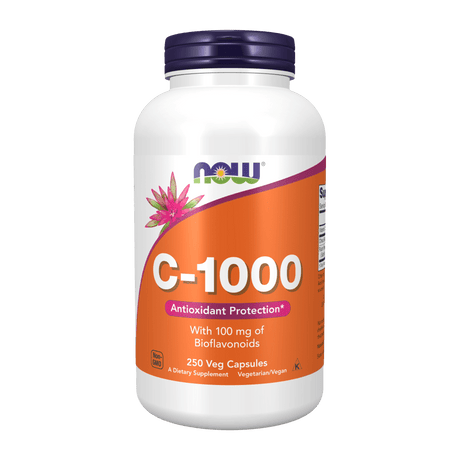
Now Foods
Now Foods Vitamin C-1000 with Bioflavonoids - 250 Veg Capsules
Regular price €23.79Unit price€0.10 each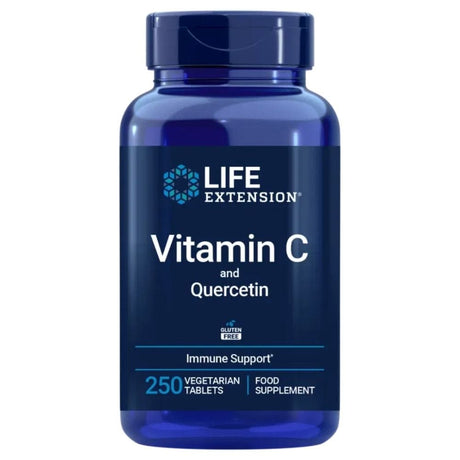
 5% off
Life Extension
Life Extension Vitamin C and Bio-Quercetin Phytosome - 250 Tablets
Sale price €33.61 Regular price €35.39Unit price€0.13 each


Aliness
Aliness Liposol ™ Liposomal vitamin C 1000 mg - 40 Sachets
Regular price €18.69Unit price€0.47 each


Now Foods
Now Foods Vitamin C-1000 Sustained Release - 250 Tablets
Regular price €23.59Unit price€0.09 each


Swanson
Swanson Vitamin C with Rose Hips 1000 mg - 250 Capsules
Regular price €16.39Unit price€0.07 each


Explore the full range in our vitamin C collection, or browse our broader vitamins category for complementary supplements.
Key Takeaway: Ascorbic acid is far more than just an immunity booster — it is a fundamental nutrient involved in collagen synthesis, antioxidant defence, iron absorption, and energy metabolism. Because the body cannot produce or store it, regular daily intake through food and supplementation is essential. Choose the form that best suits your digestive tolerance and absorption needs, aim for 500–1000 mg per day for optimal support, and split your dose for the most efficient use. Quality matters — invest in a well-formulated product from a trusted brand.
This article is for information only and does not replace medical advice. If you have health concerns, are pregnant, breastfeeding or taking medication, consult a doctor or pharmacist. Dietary supplements are not a substitute for a varied diet.


